Picture of Plant, Fruit, Produce, Outdoors, Nature, Citrus Fruit, Orange, Countryside

How Hemp THC Beverages Are Made: From Farm to Can

April 29, 2026

Featured Product

Ever look at a can of hemp THC seltzer and wonder how they got cannabis into a clear, carbonated, great-tasting drink? It's not as simple as dumping oil into fizzy water. The science and manufacturing behind modern hemp beverages is surprisingly sophisticated — and it's a big part of why the category has gotten so much better in the last few years.

Here's the full journey from hemp plant to finished can.

Step 1: Growing and Harvesting Hemp

It starts in the field. Industrial hemp is grown on licensed farms across the United States, cultivated specifically for its cannabinoid content. These plants look similar to cannabis (they're the same species, Cannabis sativa), but they're bred to produce high levels of CBD and only trace amounts of THC — legally, less than 0.3% by dry weight.

Harvest typically happens in the fall. The flower and biomass are collected and dried, then sent for extraction.

Step 2: Extraction

Extraction

The dried hemp is processed to extract cannabinoids — primarily CBD, but also the small amounts of Delta-9 THC present in the plant. Common extraction methods include:

  • CO2 extraction — Uses pressurized carbon dioxide to pull cannabinoids from plant material. Clean, precise, and leaves no solvent residue.
  • Ethanol extraction — Uses food-grade alcohol to dissolve cannabinoids. Efficient for large batches.

The result is a concentrated hemp extract — a thick, golden oil containing CBD, THC, and other beneficial compounds (terpenes, minor cannabinoids). This extract is then refined to the desired cannabinoid profile.

Step 3: Nano-Emulsion (The Hard Part)

Here's where most cheap hemp drinks fail and quality brands separate themselves.

Cannabinoids are oil-based molecules. Water and oil don't mix — anyone who's seen a salad dressing separate knows this. If you simply added hemp extract to a beverage, the cannabinoids would float on top, stick to the sides of the can, and absorb inconsistently in your body.

Nano-emulsion solves this by breaking cannabinoid oil particles down to nanometer scale (typically 20–100 nanometers) using high-pressure homogenization and specialized emulsifiers. At this size, the particles become effectively water-soluble — they stay suspended in the liquid, distribute evenly throughout the drink, and absorb rapidly in your body.

This is why modern hemp beverages can deliver effects in 15–20 minutes instead of the 60–90 minutes typical of oil-based edibles.

Why it matters to you: Nano-emulsion means:

  • Faster onset — You feel it sooner
  • More consistent dosing — Every sip has the same amount
  • Better bioavailability — Your body absorbs more of what you're paying for
  • Clear appearance — The drink looks and tastes like a normal beverage, not a science experiment

Step 4: Beverage Formulation

Formulation

With the nano-emulsion ready, it's time to build the actual drink. This is where food science meets flavor artistry.

A typical hemp beverage formula includes:

  • Carbonated water — The base
  • Nano-emulsified hemp extract — The active ingredients (THC + CBD)
  • Natural flavors — Fruit extracts, botanicals, spices
  • Sweetener — Cane sugar, stevia, or other natural sweeteners
  • Citric acid — For tartness and preservation
  • Other functional ingredients — Some brands add adaptogens, vitamins, or botanicals

Getting the flavor right is critical. Cannabinoid extracts have a distinct herbal, slightly bitter taste that needs to be balanced. The best brands achieve a flavor profile where you wouldn't know there's hemp in the drink unless someone told you.

Step 5: Quality Control and Lab Testing

Before anything gets canned, the finished formula is sent to independent, third-party labs for testing:

  • Cannabinoid potency — Does the product actually contain the THC and CBD amounts on the label?
  • Contaminant screening — Testing for pesticides, heavy metals (lead, arsenic, mercury), microbial contamination, and residual solvents
  • Compliance verification — Confirming the product stays under the 0.3% THC by dry weight federal limit

This isn't optional for reputable brands. It's the foundation of consumer trust in a category where regulation is still evolving.

Step 6: Canning and Packaging

The finished, tested beverage is filled into aluminum cans on a production line. Key considerations:

  • Nitrogen dosing — Many brands add a shot of liquid nitrogen before sealing to pressurize the can and extend shelf life
  • Light protection — Cans protect cannabinoids from UV degradation better than clear glass bottles
  • Temperature control — The fill process is temperature-controlled to maintain carbonation and cannabinoid stability
  • Lot tracking — Each batch is coded for traceability back to specific hemp lots and lab results

Step 7: Compliance and Distribution

Distribution

Before a hemp THC beverage can ship, the manufacturer must verify compliance with:

  • Federal law — 2018 Farm Bill (less than 0.3% THC by dry weight)
  • State regulations — Which vary significantly. Some states have banned or restricted hemp-derived THC products.
  • Labeling requirements — Cannabinoid content, serving size, warnings, and FDA disclaimers

Products are then shipped to retailers or direct to consumers, depending on the brand's distribution model.

Why Manufacturing Quality Matters

In a category where anyone can slap "hemp-derived THC" on a label, manufacturing quality is what separates products you can trust from products you're gambling on.

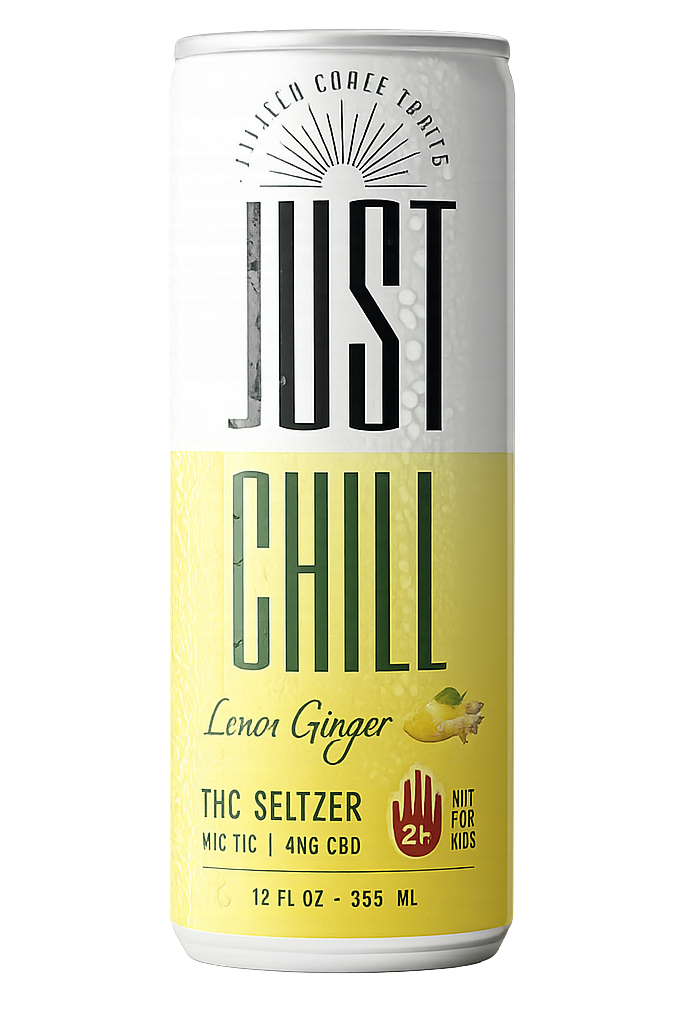
At Just Chill, we control the process from formulation through canning in our own facility. We don't white-label someone else's formula or outsource production to the lowest bidder. That control is how we guarantee consistent dosing, clean ingredients, and a product that works the same way every time you crack a can.

Need a high quality web design or interface design?